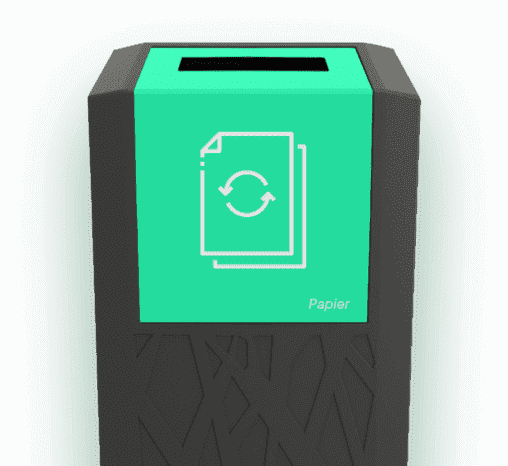
Our professional
waste sorting bins
We live in a society that is increasingly concerned about the state of our planet and the environment, which means waste management in the workplace is more important than ever. With Corporate Social Responsibility (CSR), innovative sorting practices, and new regulations, professionals and private individuals alike must implement selective waste sorting solutions an and habits on a daily basis.
Greenoffice is your trusted partner in this endeavour. We develop professional, innovative, eco-designed and environmentally-friendly waste sorting solutions that are made in France: discover our professional waste sorting bins, collectors and other elegantly designed, environmentally-friendly solutions.
Let’s take a deeper dive on the importance of waste sorting in the workplace, explore ecological and regulatory challenges, and emphasise the importance of raising awareness and training when it comes to waste sorting in a professional environment.
Greenoffice > Professional waste sorting bins
The importance of waste sorting in the workplace
As mentioned above, waste sorting in the workplace is crucial in today’s world. Just like private individuals, employees and employers can play a key role in the day-to-day management of the waste produced by their company. It’s all about adopting responsible habits within the teams, understanding what’s at stake and opting for the sorting solutions most suited to your business.
Ecological and regulatory challenges
Professional waste sorting is key to protect the environment. Indeed, waste in the workplace that isn’t properly managed and sorted can lead to overloading landfill sites and incinerators, as well as excessive consumption of natural resources to manufacture new products. By sorting waste correctly and efficiently, businesses can contribute to the recycling chain and play its part in sustainable development.
In fact, many environmental regulations now require companies to implement selective waste sorting practices to reduce their impact on the planet.
Build up your image as a sustainable company
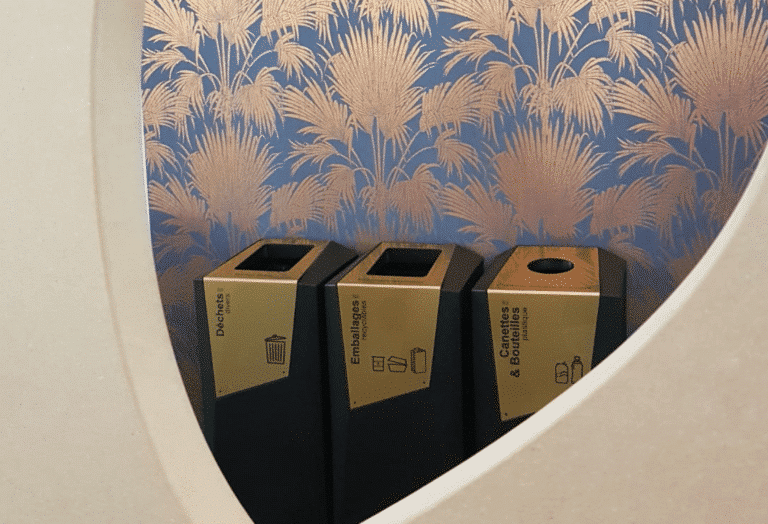
Design office bin
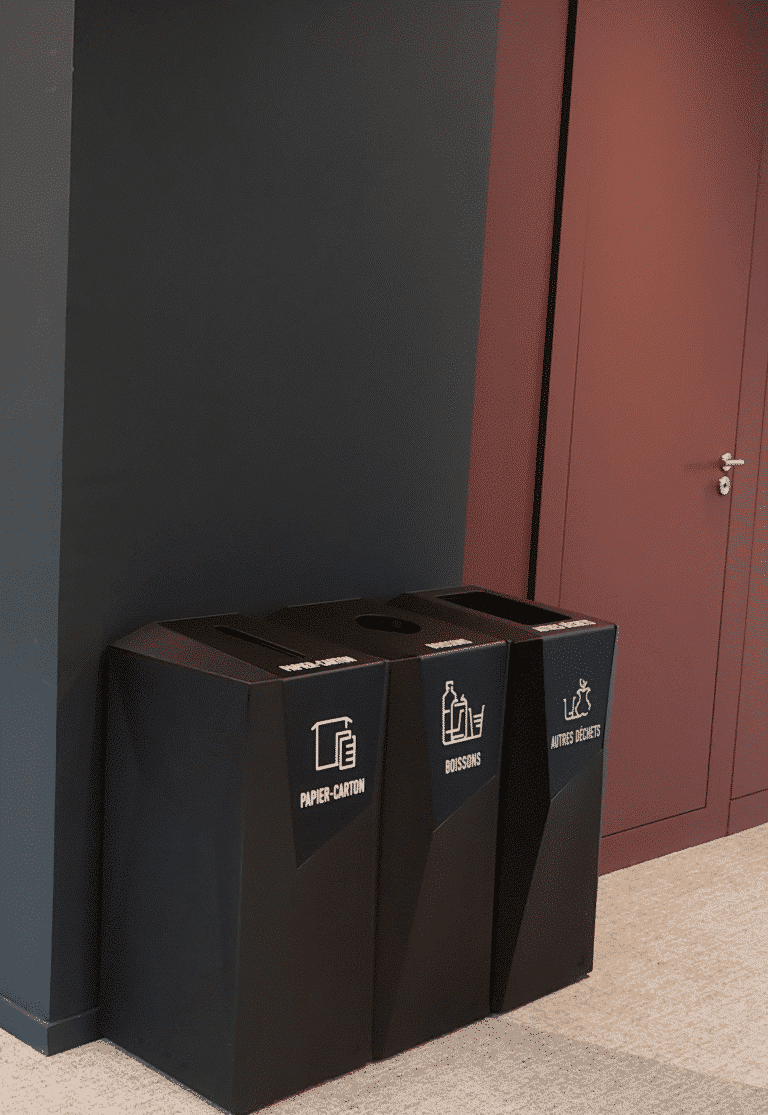
Aesthetic, ergonomic, discreet, and well thought-out: our design office bins are designed to blend harmoniously into any professional environment. They combine elegance and practicality to promote selective waste sorting within your organisation. Whether you’re looking for mini office bins, a design office bin, a waste sorting bin, or a voluntary waste drop-off station, we have plenty of choice in pour product range to meet your needs.
Green Box, My Green Box, Trivia 2, R14000, Ego 30, bin bag dispenser: each of our products has their own features and dedicated use to make your offices more environmentally friendly.
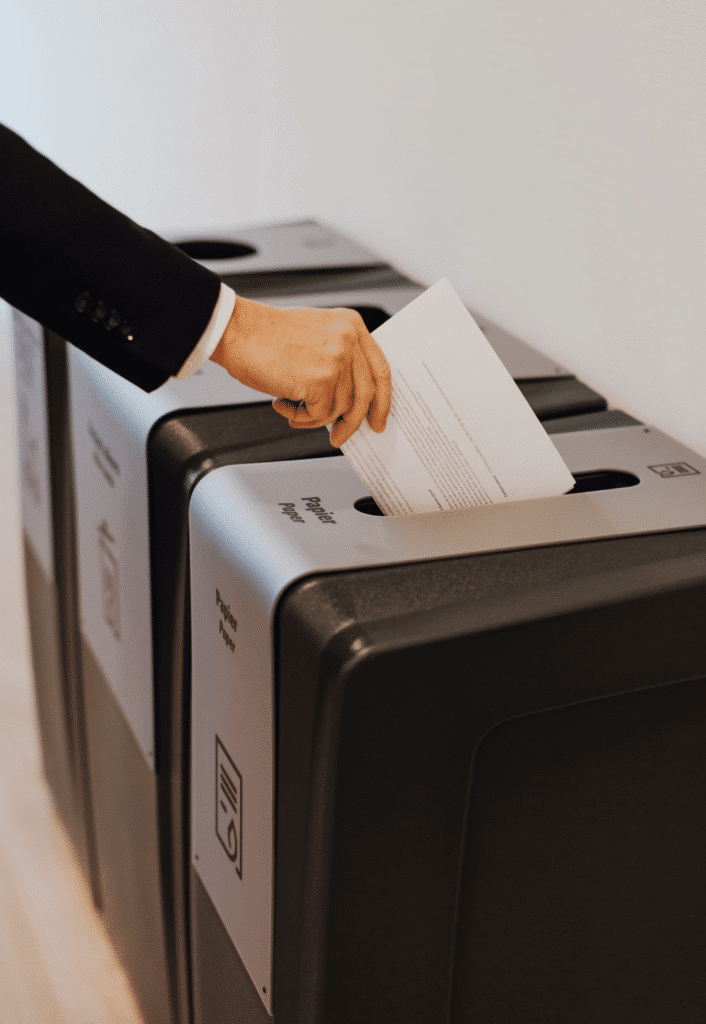
Discover our offers dedicated to businesses.
Because we know that every company has their own specific needs and requirements, Greenoffice offers a comprehensive range of professional waste sorting solutions: office bins, catering waste bins, waste collectors, design waste sorting bins, waste sorting tables… we have something for every use and every taste!
Discover our range of waste sorting solutions!
Learn more
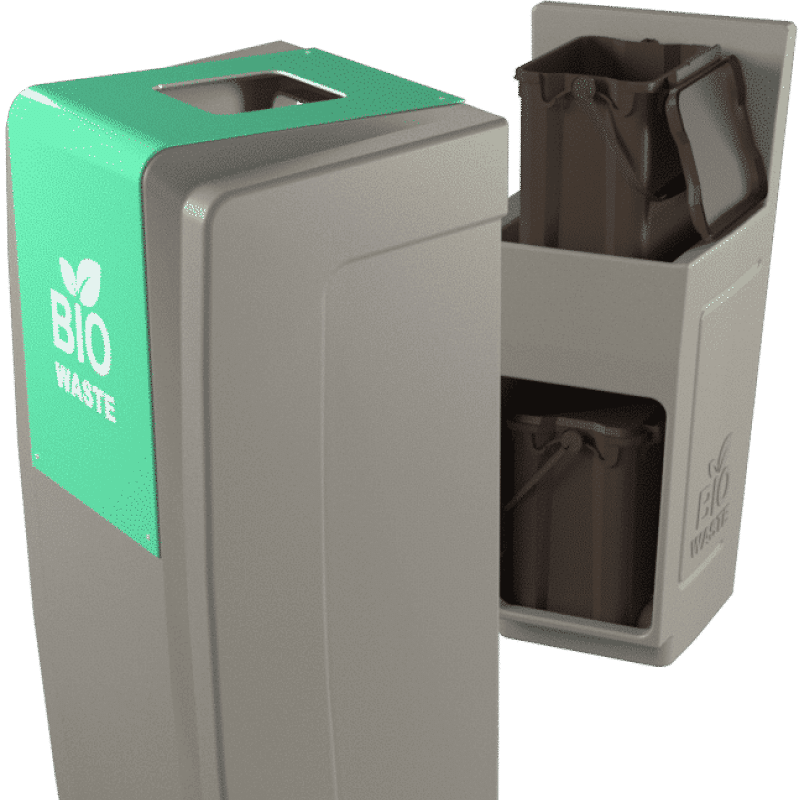
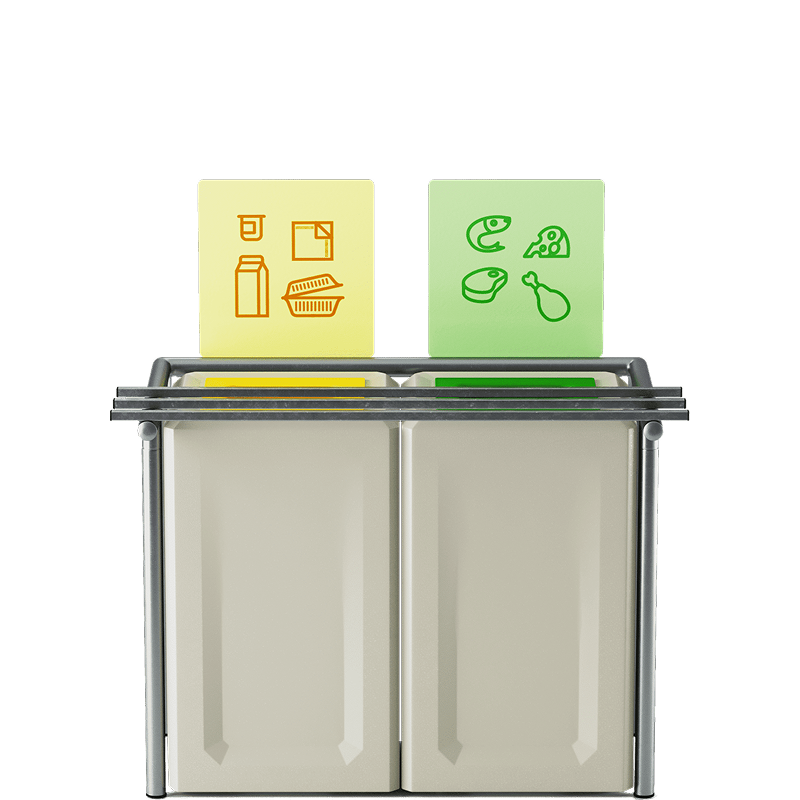
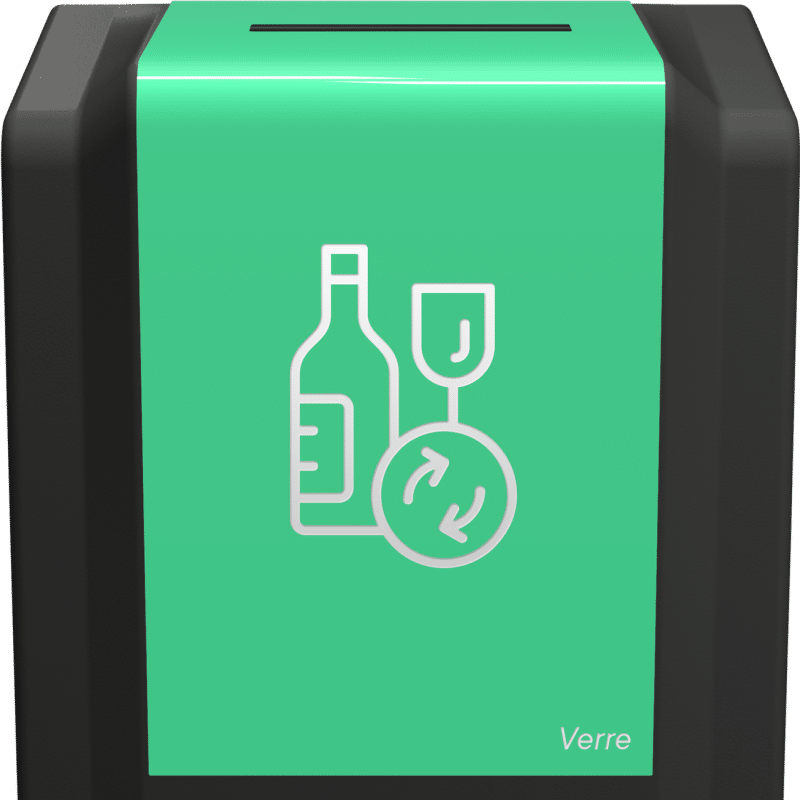
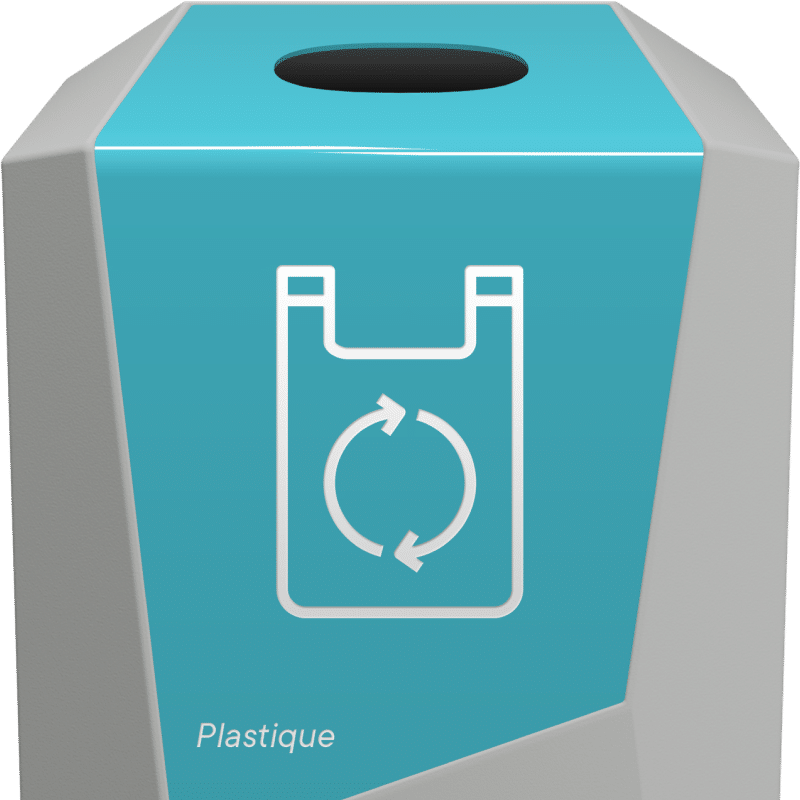
Greenoffice offers waste sorting bins that are specially adapted to the needs of businesses in the catering industry and company canteens. These solutions make it easy to separate food waste, glass, plastic and paper, improving waste management.
Learn more
Learn more
Learn more
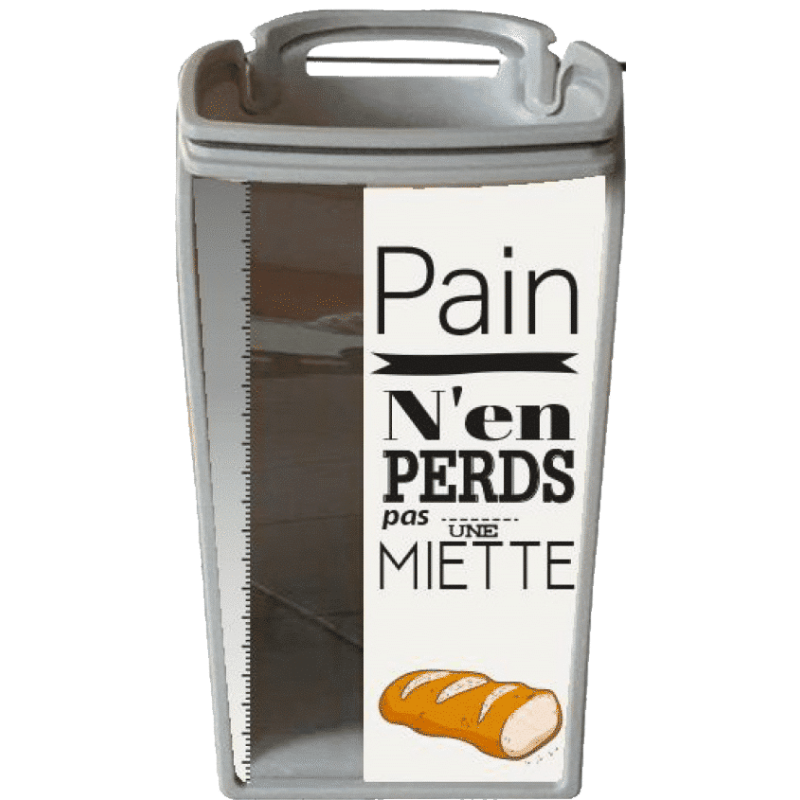
We also offer suitable sorting solutions for companies that organise events. Our waste sorting bins for events are easy to install and use, and a perfect way to promote responsible waste management at your events. Each of our bins and collectors has a dedicated function: food waste, packaging or paper. No matter the type of event, we have the solution for you!
Learn more
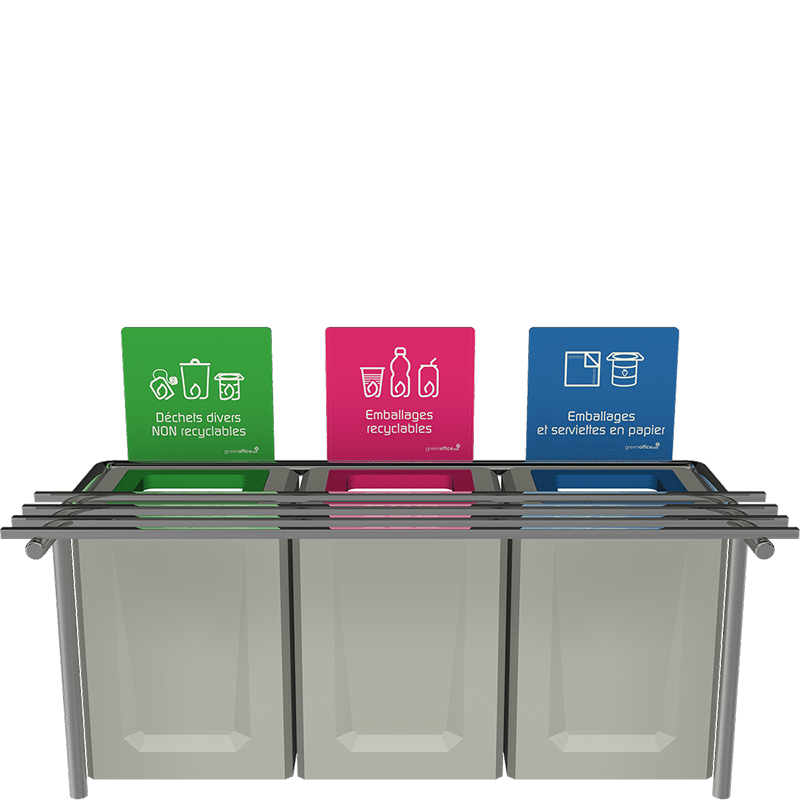
We offer waste sorting bins specially adapted to the needs of school canteens. Smaller and more compact models, like the Agora mini bins, provide effective separation of food waste, packaging and paper, thus promoting responsible waste management. Grouped together, they form a practical and fun collection point for the little ones.
Learn more
Our waste sorting tables for school canteens offer a simple, dedicated space for sorting waste. Smaller and lighter, they are designed to be practical and ergonomic, and promote selective sorting among little ones. Our models – the 60.2 children waste sorting table and the 60.3 children waste sorting table – will delight younger children with their simple and fun signage!
How to choose the right waste sorting bin for your business?
You’ve decided to invest in a Greenoffice recycling bin, but don’t know which one to choose. The first question to ask yourself is: what type of bin is best suited to my business?
At Greenoffice, we understand that every organisation has specific needs when it comes to waste management and sorting. That’s why we carry a comprehensive range of products and are committed to helping you find the right solution.
Whether you need a waste sorting system for a small office or a large public space, our eco-designed, made in France, durable and ergonomic products are designed to meet a wide range of needs.

Assessing your needs
Versatility and modularity
You should always opt for professional waste sorting solutions that can be adapted to your space and modulated according to your changing needs. Greenoffice’s products are designed to be highly versatile, giving you extra flexibility as your business evolves.
Maintenance and durability
Maintenance and durability are two important factors to consider once you have identified your other needs.
Waste sorting bins will be installed throughout your offices, available to everyone, and therefore must be easy to maintain to ensure adequate durability. Furthermore, choosing durable products made from environmentally-friendly materials, like Greenoffice’s solutions, will underscore your commitment to ecology and directly contribute to environment protection.
Reducing and recycling waste
Awareness-raising and training in waste sorting.

Employee training
Raising awareness and training employees in waste sorting are essential to implement a successful waste management strategy within your organisation. So don’t hesitate to set up training sessions to go over sorting procedures, environmental and economic benefits, and the importance of active participation in this entire process.
Signage and internal communication
You can also provide clear and effective signage on your Greenoffice waste sorting stations to help employees sort correctly. It’s also important to communicate regularly on company-wide progress on the matter and to highlight your employees’ positive contributions to further encourage them. Together, we’re stronger!
By installing our products, you are making an active choice to protect the environment, and promote ecology, collective awareness and innovation. Contact us to learn more about our dedicated offers for businesses and to find the ideal waste sorting solution for your organisation.
Contact us!
By installing our products, you are making an active choice to protect the environment, and promote ecology, collective awareness and innovation. Contact us to learn more about our dedicated offers for businesses and to find the ideal waste sorting solution for your organisation.
Quels sont les types de poubelles en entreprise ?
Quelles sont les différentes poubelles de tri ?
Est-ce une obligation de faire le tri sélectif en entreprise?
Oui, le tri sélectif est une obligation pour les entreprises. Depuis la réglementation en vigueur, les entreprises doivent mettre en place des dispositifs pour trier les déchets recyclables comme le papier, le plastique, le verre, le métal et les déchets organiques. Cette obligation vise à réduire l’impact environnemental des activités professionnelles et à favoriser le recyclage. Ne pas respecter ces règles peut entraîner des sanctions pour l’entreprise.
Quelle poubelle obligatoire en 2024/2025 ?
Quel type de poubelle choisir pour son entreprise ?
Comment trier les déchets en entreprise ?
Comment Appelle-t-on les déchets produits par les entreprises ?
Les déchets produits par les entreprises sont appelés des **déchets d’activités économiques (DAE)**. Ces déchets incluent une variété de matériaux comme le papier, le plastique, le métal, les déchets organiques, ainsi que les déchets dangereux tels que les produits chimiques ou électroniques. Les entreprises doivent gérer ces déchets de manière conforme aux régulations environnementales, en mettant en place des systèmes de tri et de recyclage adaptés.